
Common Myths About Therapy Animals
Therapy animals can bring comfort, companionship, and support to people in many different settings. You may see them visiting hospitals, schools, nursing homes, counseling centers, and other community spaces. Although therapy animals are becoming more common, there are still many misunderstandings about what they do and how they are trained.
Understanding the facts can help children and families develop realistic expectations about therapy animals and their role in supporting well-being.
Myth 1: Therapy animals are the same as service animals.
Fact: Therapy animals and service animals have different roles.
Service animals are trained to perform specific tasks for a person with a disability. Therapy animals, on the other hand, are trained and handled to provide comfort and positive interactions to multiple people. A therapy animal may visit a school or hospital with its handler, while a service animal generally works with one person.
These differences also mean that therapy animals do not automatically have the same legal access to public places as service animals.
Myth 2: Any friendly pet can become a therapy animal.
Fact: Being friendly is helpful, but therapy animals need more than a pleasant personality.
Therapy animals typically need to be comfortable around unfamiliar people, new environments, and different types of handling. They also need to remain calm when there are unexpected noises, movements, or distractions.
Dogs are commonly used as therapy animals, but other animals may also participate in animal-assisted activities or therapy programs. The specific requirements depend on the organization and setting.
Myth 3: Therapy animals are only used in hospitals.
Fact: Therapy animals can support people in many different environments.
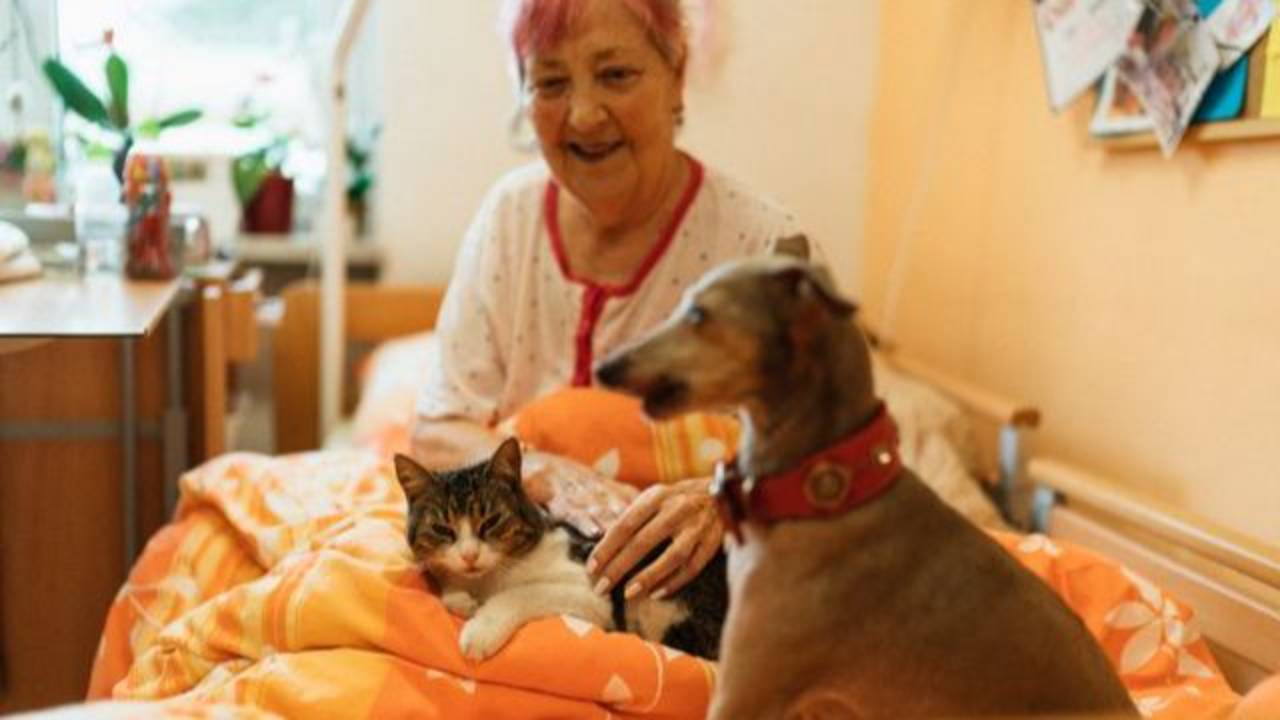
Hospitals are one setting where therapy animals may visit, but they can also be found in schools, libraries, nursing homes, rehabilitation centers, and mental health settings. For example, a therapy animal may provide companionship to an older adult, help create a welcoming environment for students, or give a person something positive to focus on during a difficult experience.
The goal is not always to treat a specific condition. Sometimes, the animal simply provides a calming and supportive interaction.
Myth 4: Therapy animals can replace a therapist.
Fact: Therapy animals are not a replacement for professional mental health care.
A therapy animal may be part of a therapeutic setting, but the animal does not provide therapy independently. A trained professional remains responsible for providing appropriate treatment when therapy is involved.
For some clients, interacting with an animal may make a therapeutic environment feel more comfortable. It can also provide opportunities to practice skills such as communication, emotional awareness, or social interaction.
Myth 5: Therapy animals always make people feel better.
Fact: Not everyone enjoys being around animals.
Some people may feel nervous around dogs or other animals. Others may have allergies, cultural concerns, past negative experiences, or simply prefer not to interact with animals. A therapy animal should never be forced on someone.
Respecting personal boundaries is an important part of any animal-assisted program. People should be given a choice about whether they want to participate.
Myth 6: Therapy animals do not need much training.
Fact: Therapy animals need preparation for the situations they may encounter.
Training can help animals learn how to behave calmly around unfamiliar people and environments. Handlers also need to understand how to interact with others safely and recognize when an animal needs a break.
The animal's welfare matters, too. Even a well-trained therapy animal can become tired or stressed. Appropriate programs make sure animals have opportunities to rest and are not expected to interact continuously.
Myth 7: Therapy animals are only helpful for children.
Fact: People of different ages may benefit from positive interactions with animals.
Children may enjoy reading to a therapy dog or practicing social skills around an animal. Adults and older adults may also appreciate companionship and opportunities for positive social interaction. The benefits depend on the individual, the animal, and the setting.
Therapy animals can be a valuable addition to supportive environments, but they are not a solution for every person or situation. Knowing what therapy animals actually do can help families, educators, and professionals use these interactions in a safe, respectful, and realistic way.
Do you own an assistance animal? Register your pet today.
The Service Animal Registry of California invites you to have your assistance animal registered in order to designate its status. We also encourage you to take our online classes so you can be fully aware of your rights and gain more knowledge about your support animal.
Finally, we present to you our book entitled, “ASSISTANCE ANIMAL LAWS: LEARN YOUR RIGHTS REGARDING SERVICE ANIMALS, EMOTIONAL SUPPORT ANIMALS, THERAPY PETS, AND OTHER DOGS, CATS, AND ASSISTANCE ANIMALS” to provide you with a complete education on assistance animals.
Purchase your copy of the book by clicking the image below.
